
















Outdoor digital kiosks for Smart Cities: applications and selection criteria

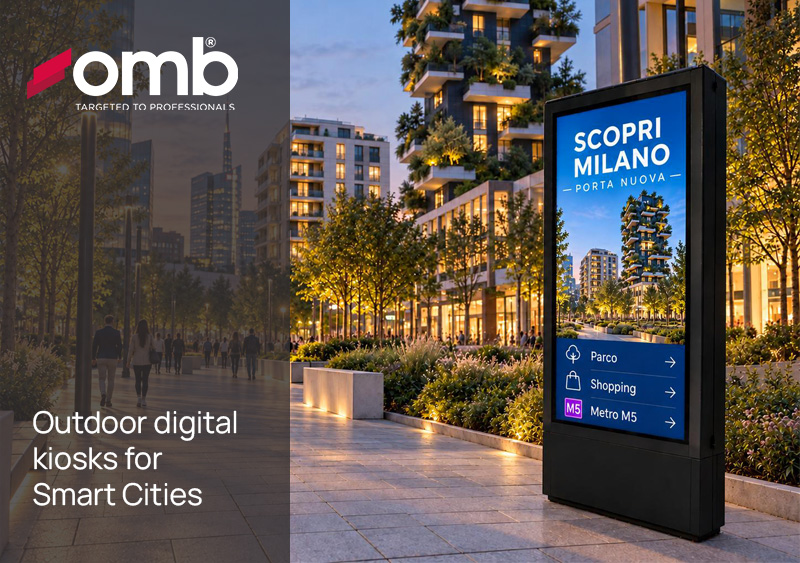
Public information, mobility, tourism and wayfinding: how to integrate an outdoor kiosk into urban spaces
Cities communicate a vast amount of information every day: public transport schedules, directions, events, tourist routes, notices and services for residents and visitors.
To make this content accessible exactly where it is needed, cities require solutions that integrate into urban spaces and operate reliably outdoors.
Outdoor digital kiosks meet this need by transforming public squares, transport stops, stations and pedestrian areas into information points that can be updated remotely. In Smart City projects, however, simply placing a display inside an enclosure is not enough: each solution must be designed around its environment, location, audience, content and maintenance requirements.
The digital kiosk as a gateway to the city
An outdoor kiosk can connect people, places and services. Unlike traditional signage, it allows content to be updated, different messages to be scheduled and information from the city’s digital systems to be integrated.
Applications may include public communications, public transport schedules, wayfinding maps, tourist routes, events and service information. Its value therefore depends not only on the structure itself, but also on the ability to create an information point suited to its location and the needs of its users.
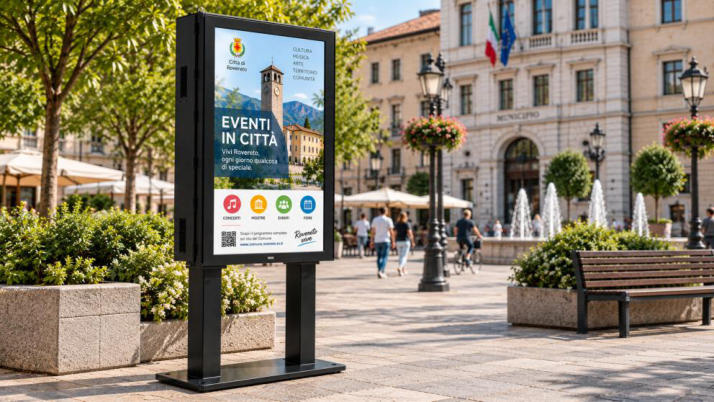
Public information in squares and urban spaces
Public squares, pedestrian areas and the entrances to public buildings are natural communication points between local authorities and residents. An outdoor information kiosk can display notices, events, service information and content related to the local community.
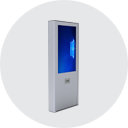
For these environments, OMB offers POLARIS, an outdoor kiosk designed to bring digital communication into public spaces. Its structure provides a recognisable presence in the urban environment while keeping the display integrated and accessible for technical operations.
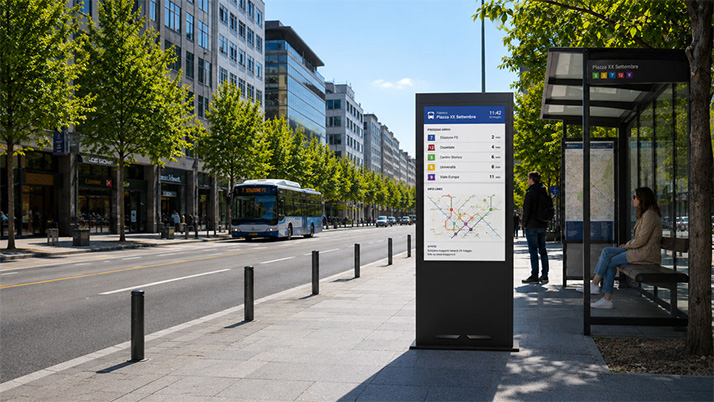
Mobility and transport: information along the journey
At stops, stationsand intermodal hubs, information must be immediately readable. Schedules, destinations, routes and service updates must be visible at key transit points and easy to update as mobility conditions change.
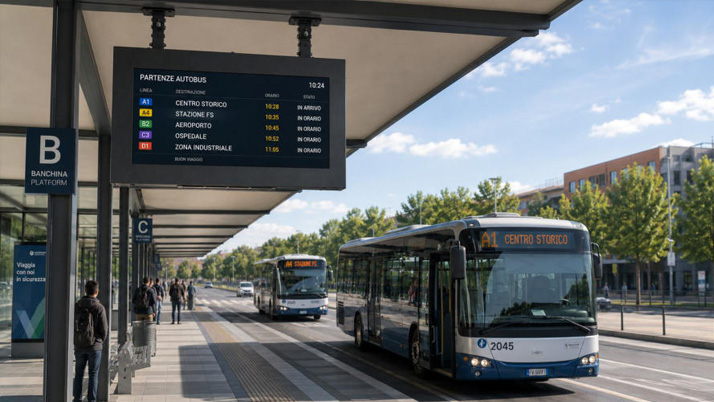
PID - Passenger Information Display
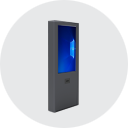
Every journey starts with clear information. PID is designed to display schedules, destinations and service notices and can be integrated with public transport information systems.
FLAG OUTDOOR
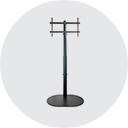
FLAG OUTDOOR acts as a landmark along the journey: a recognisable information point for maps, directions and service information in public spaces and transit areas.
In these environments, the position and orientation of the display, as well as content readability, must be considered together with the structure to ensure that the kiosk is genuinely useful throughout the journey.
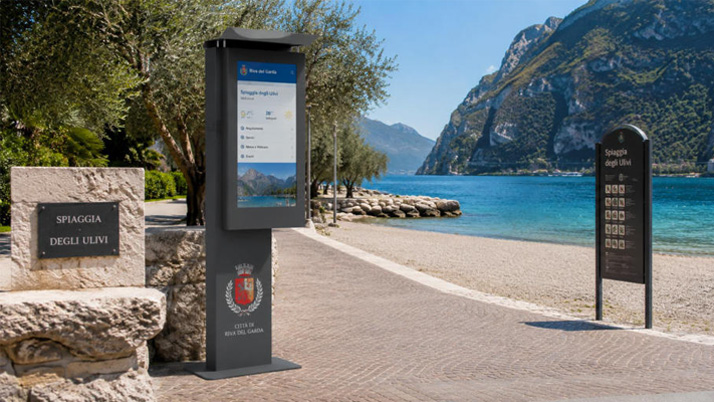
Tourism and wayfinding: navigating and discovering the local area
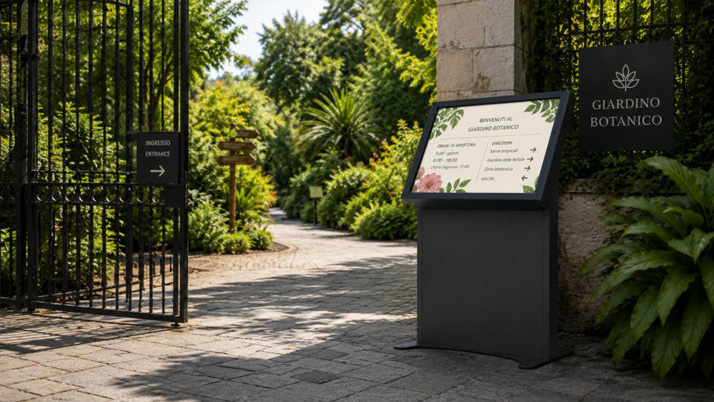
In historic centres, parks and along tourist routes, a digital kiosk can help people reach their destination while introducing them to local places, activities and services.
DIRECTORY OUTDOOR is designed to guide residents and visitors through streets, squares and tourist routes. Maps, points of interest and multilingual content can be organised within a single information point and updated according to the season, local events or the needs of the area.
How to choose an outdoor digital kiosk
The choice should be based on the application, not solely on the size of the screen.
A professional project should consider:
A tourist information point, a public transport display and a kiosk installed in a public square perform different functions. The structure, configuration and installation method must therefore be defined according to the specific project.
Standard solutions and custom design
OMB develops and manufactures digital signage structures in Italy, combining standard products with the ability to create customised configurations. By working with architects, designers, engineering firms and system integrators, OMB can integrate each solution into its environment and assess all construction and installation requirements.
For a Smart City, this design capability is essential: a kiosk is not an isolated element, but part of a broader system comprising content, services, technology and public spaces.

